


Understanding the science behind the next generation of eco-materials
- Jan 13
- 3 min read
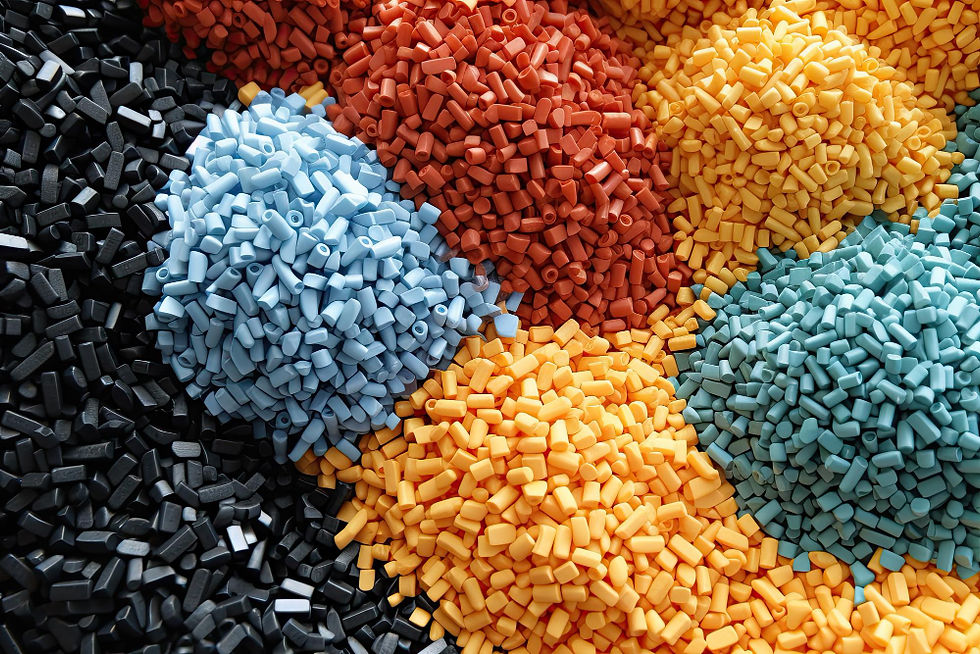
As sustainability continues to shape the future of manufacturing, a quiet revolution is happening behind the scenes, at the molecular level. In 2026, green chemistry will play an increasingly important role in how new plastics are developed, produced and used.
For many people, the science behind polymer development can feel complex or inaccessible. But the ideas driving this change are actually quite simple: make plastics using cleaner processes, safer ingredients, and smarter design choices, without compromising performance.
In our first blog of 2026, the Amey Plastic team break down what green chemistry really means, how it’s influencing polymer synthesis and why it matters for the future of plastic injection moulding.
What Is Green Chemistry (in Plain English)?
Green chemistry is about designing chemical processes that reduce or eliminate hazardous substances, waste and unnecessary energy use. Rather than cleaning up pollution after it happens, green chemistry focuses on preventing environmental impact from the start.
When applied to plastics, this means:
Using renewable or recycled raw materials
Reducing toxic additives and solvents
Designing polymers that are easier to recycle, reuse or safely break down
Making manufacturing processes more energy efficient
In short, it’s about making plastics smarter, not just greener.
How Polymer Synthesis Is Changing in 2026
Traditionally, many plastics were made using fossil-fuel-based feedstocks and energy-intensive processes. Today, scientists and manufacturers are rethinking every step of polymer creation.
Here are some of the key developments shaping polymer synthesis right now:
1. Bio-Based Building Blocks
Instead of relying solely on oil-derived chemicals, many modern polymers are now made using plant-based or biologically derived ingredients, such as sugars, starches or agricultural by-products.
These materials can be chemically engineered to behave very similarly to traditional plastics, but with a lower environmental footprint.
Importantly, bio-based doesn’t always mean biodegradable and that’s okay. Many bio-based polymers are designed for durability and long life, just like conventional plastics.
2. Cleaner, More Efficient Reactions
Green chemistry also focuses on how polymers are made.
In 2026, newer synthesis methods aim to:
Reduce high temperatures and pressures
Eliminate harmful solvents
Improve reaction efficiency so less material is wasted
This leads to lower energy use, fewer emissions and more consistent material quality, all beneficial for injection moulding applications.
3. Designing Polymers with End-of-Life in Mind
One of the biggest shifts in polymer science is designing materials for what happens after use, not just during it.
Scientists are now developing polymers that:
Are easier to recycle mechanically
Can be chemically recycled back into raw building blocks
Maintain performance over multiple recycling cycles
This approach supports the move toward a circular economy, where plastic materials stay in use for as long as possible.
4. Fewer Additives, Smarter Formulations
Traditional plastics often rely on additives for colour, flexibility, flame resistance or UV stability. Green chemistry looks to reduce reliance on additives that may be harmful or difficult to remove.
Instead, performance is increasingly built into the polymer structure itself, resulting in:
Cleaner material streams
Better recyclability
More predictable behaviour during moulding
What This Means for Injection Moulding
From a manufacturing perspective, these innovations are significant.
For injection moulders like Amey Plastics, greener polymers mean:
Materials that process more efficiently
Improved consistency and quality control
Greater choice of sustainable materials for our customers
Better alignment with environmental targets and regulations
Crucially, many of these new materials are being developed to work within existing moulding infrastructure, meaning sustainability doesn’t require starting from scratch.
Making Green Chemistry Practical, Not Theoretical
While green chemistry is rooted in science, its success depends on practical application. Not every eco-material is suitable for every product, performance, cost, durability and compliance still matter.
That’s why material selection, testing and design-for-manufacture remain essential. The goal isn’t to replace plastics, but to make them better, cleaner and more responsible.
Looking Ahead
As we move through 2026 and beyond, green chemistry will continue to shape the plastics industry, quietly but fundamentally. The next generation of polymers won’t just be judged on how they perform, but on how they’re made, how they’re used and what happens at the end of their life.
At Amey Plastics, staying informed about these developments allows us to support customers with smarter material choices, future-ready designs and sustainable manufacturing solutions.
Got a project you’d like to discuss? Contact the Amey Plastics team on 01730 266 525 or email sales@ameyplasticsltd.co.uk.


Comments